
About Us
About yamunanagar
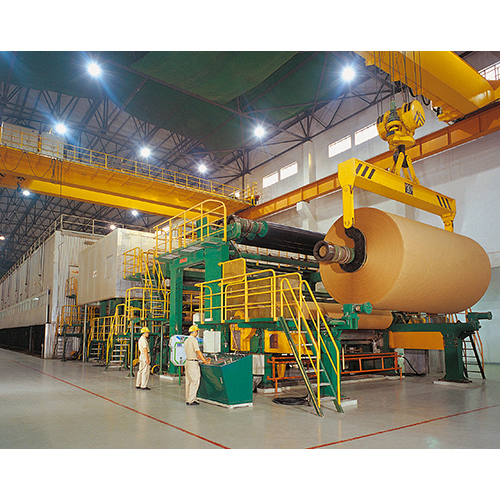
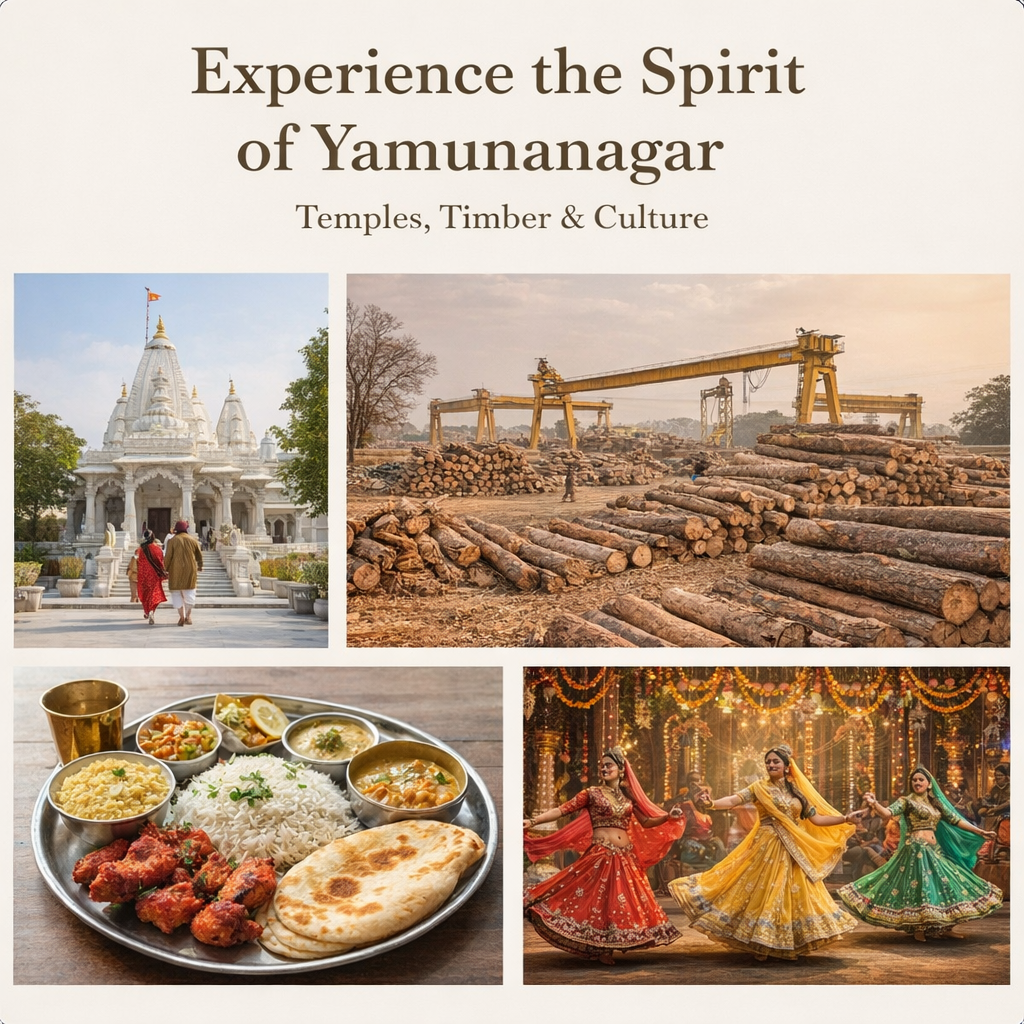
Yamunanagar is a vibrant and industrious city located in the northern part of Haryana, nestled near the foothills of the Shivalik range and along the sacred Yamuna River. Known for its strong industrial foundation and rich cultural heritage, Yamunanagar has grown into a prominent center for timber, plywood, paper, and metal industries while preserving its deep-rooted spiritual and traditional identity.
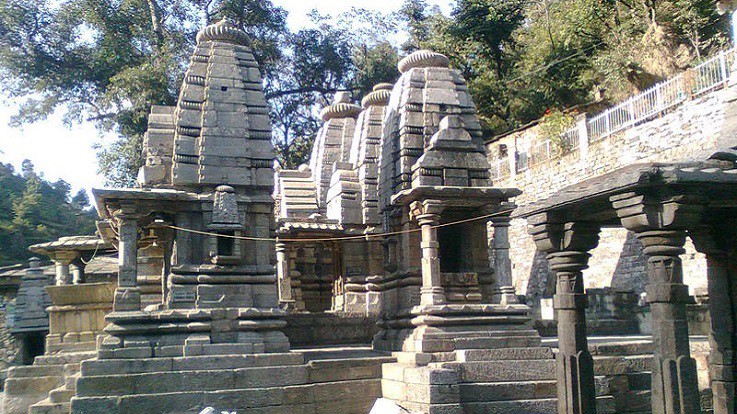
Historically significant and geographically blessed, the city serves as a gateway to the Himalayan foothills and nearby spiritual destinations. Yamunanagar is home to revered temples such as Kapal Mochan, an ancient pilgrimage site associated with Hindu mythology, attracting devotees and visitors seeking peace and spiritual connection. The sacred Yamuna River further enhances the city’s religious and ecological importance.
Glance Of yamunanagar
Area
0 km²
Population
0+

Spoken Language
Hindi, Punjabi, Haryanvi, English

Economy
₹0+ Crore
Why yamunanagar
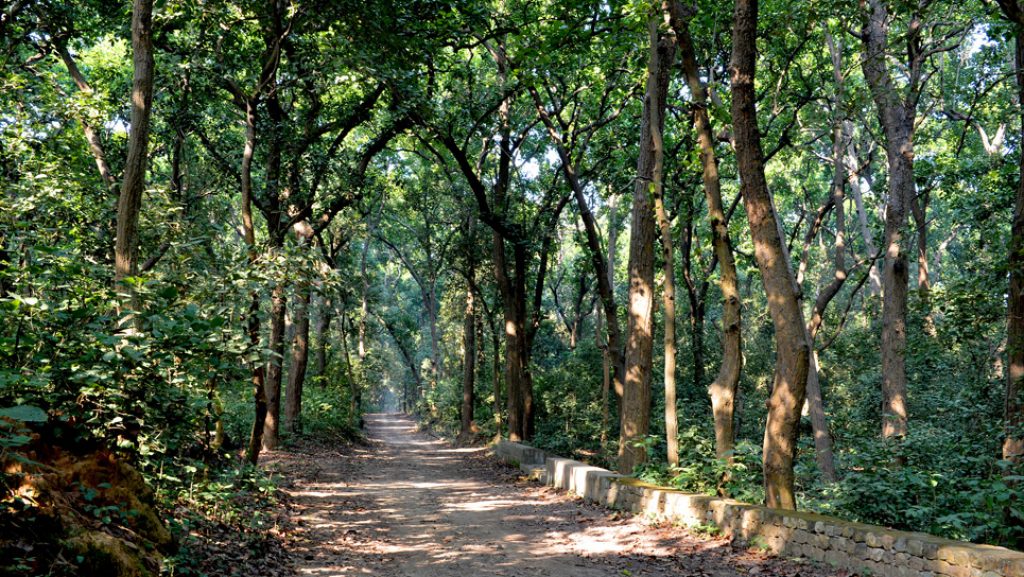
City of Nature & Wildlife
Industrial & Educational Hub
Cultural & Spiritual Heritage
The Yamuna Connection
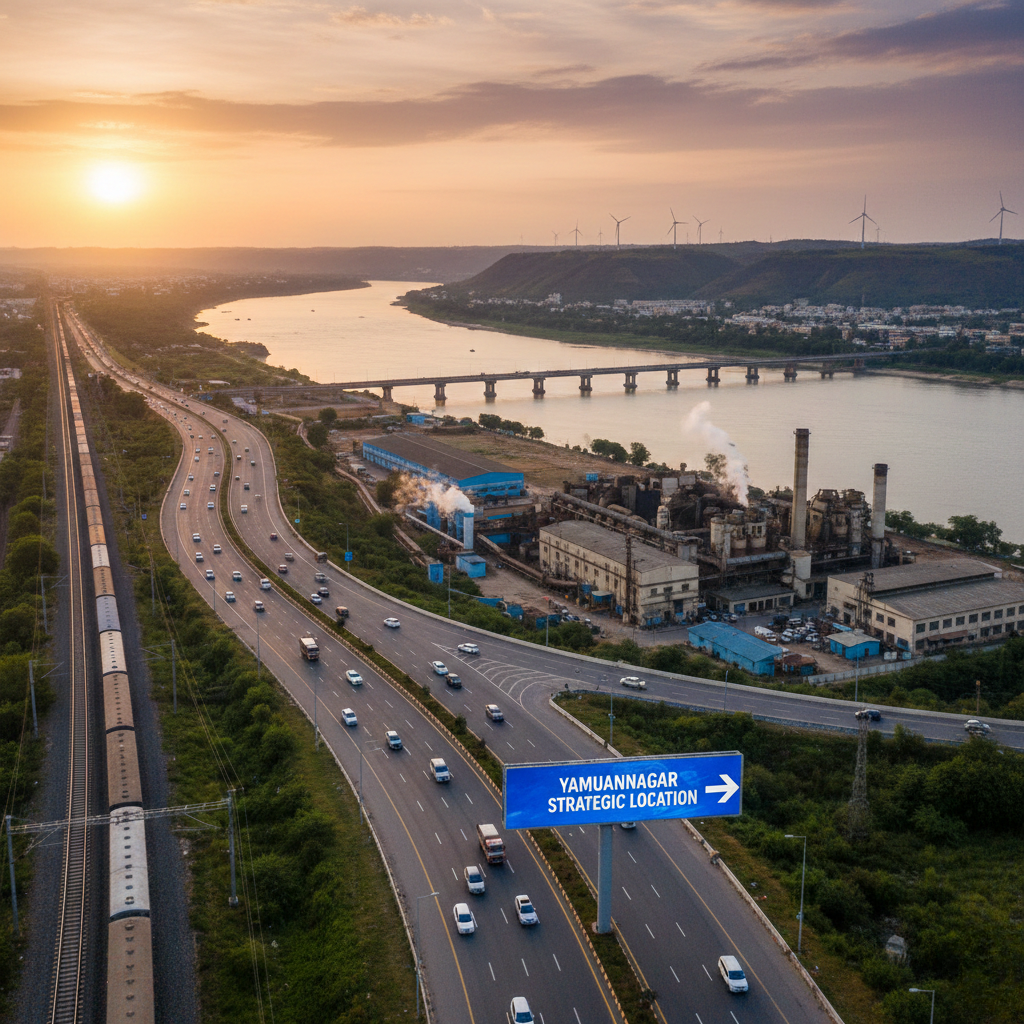
Strategic Location
Yamunanagar enjoys a prime geographic position in northern India, making it a key link between Haryana and neighboring states. Located near the Haryana–Himachal Pradesh border, the city serves as a gateway to the scenic Shivalik hills and nearby hill stations.
With strong road and rail connectivity, Yamunanagar ensures smooth transportation for trade, travel, and daily commuting. Its well-developed highways connect it to major cities like Chandigarh, Delhi, and Dehradun, supporting both industrial growth and tourism.
The presence of a major railway station further strengthens the city’s accessibility, enabling easy movement of goods and passengers. This strategic positioning enhances Yamunanagar’s role as a commercial hub while maintaining close ties to natural and cultural destinations.
Blending connectivity with opportunity, Yamunanagar’s strategic location makes it a city that is well-connected, well-positioned, and ready for growth.
Balanced Lifestyle
Yamunanagar offers a lifestyle that perfectly blends modern convenience with natural tranquility. Unlike crowded metropolitan cities, it provides a peaceful environment where families can enjoy clean surroundings, open spaces, and a strong sense of community.
The city features well-developed residential areas, local markets, educational institutions, healthcare facilities, and recreational parks — ensuring everything you need is within reach. At the same time, its proximity to forests and the Yamuna River keeps residents connected to nature.
Affordable living, friendly neighborhoods, and growing infrastructure make Yamunanagar an ideal place for students, professionals, and families alike. The slower pace of life allows people to focus on what truly matters — work, relationships, and well-being.
In Yamunanagar, life is not rushed — it is balanced. A city where progress meets peace, and comfort coexists with calm.
The Soul of Yamunanagar
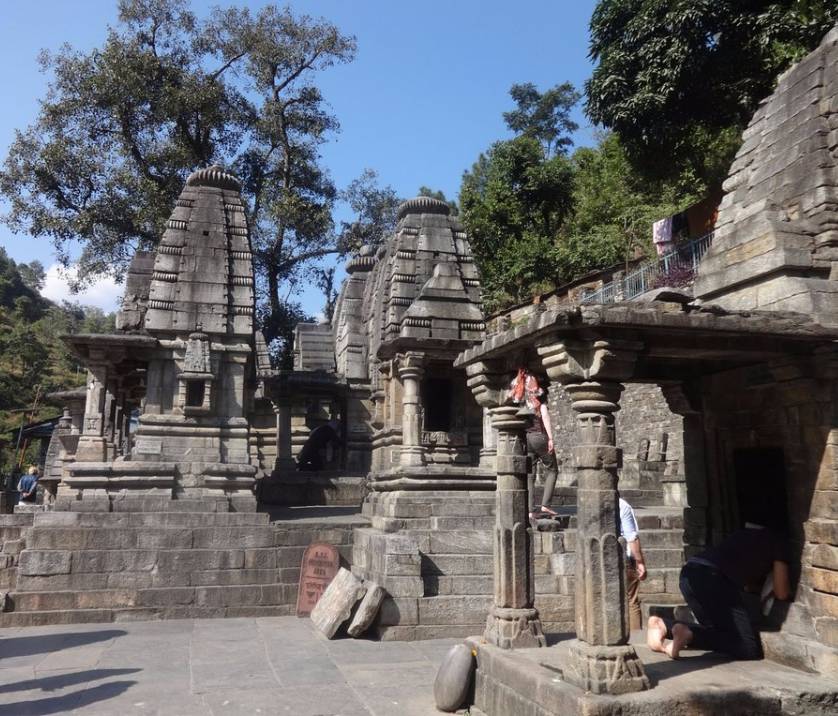
Adi Badri
Kapil Muni Ashram
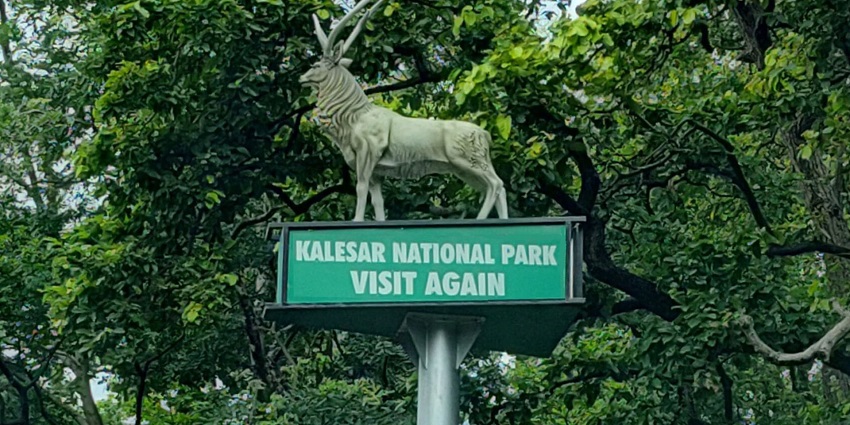
Kalesar National Park
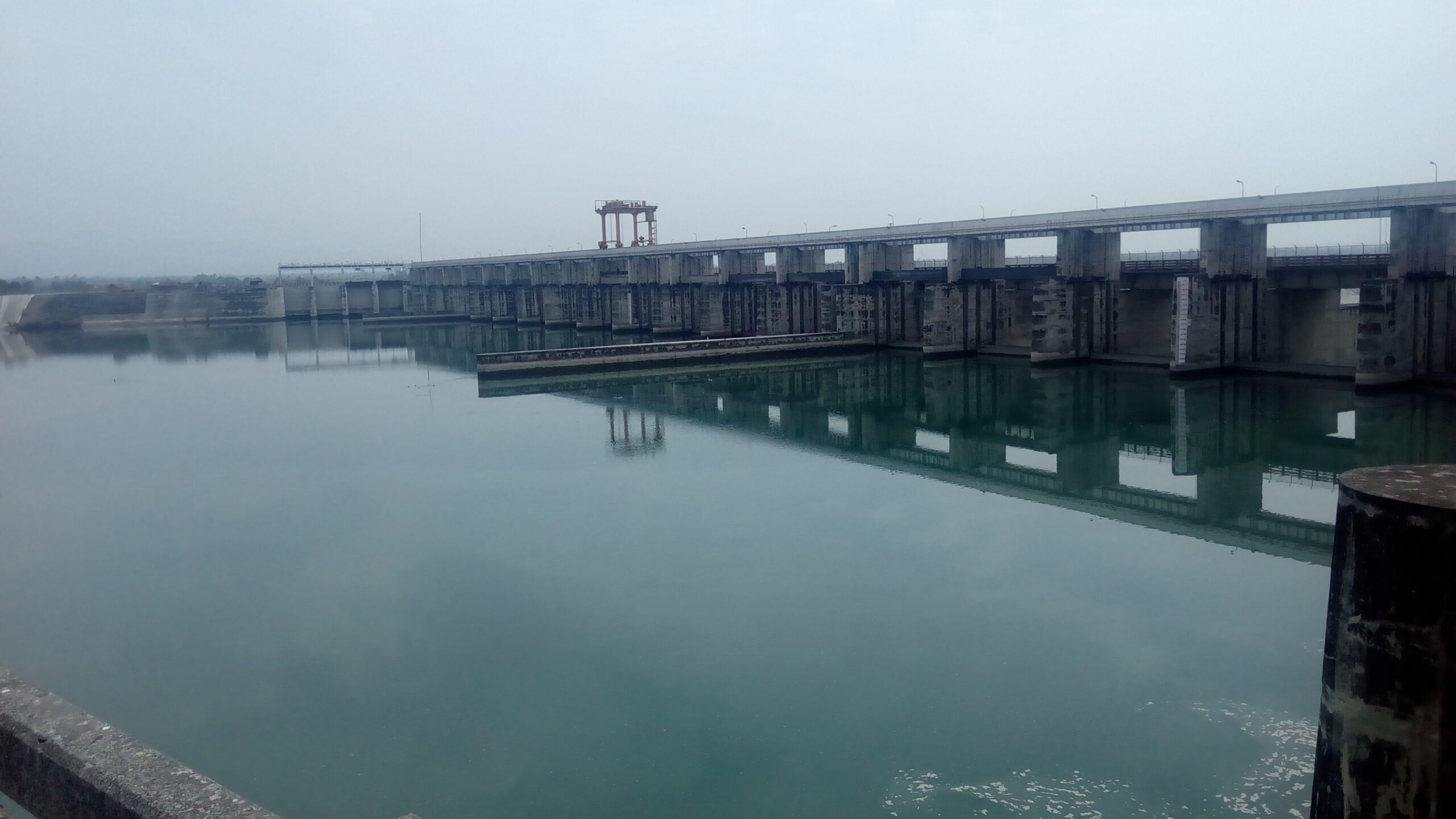
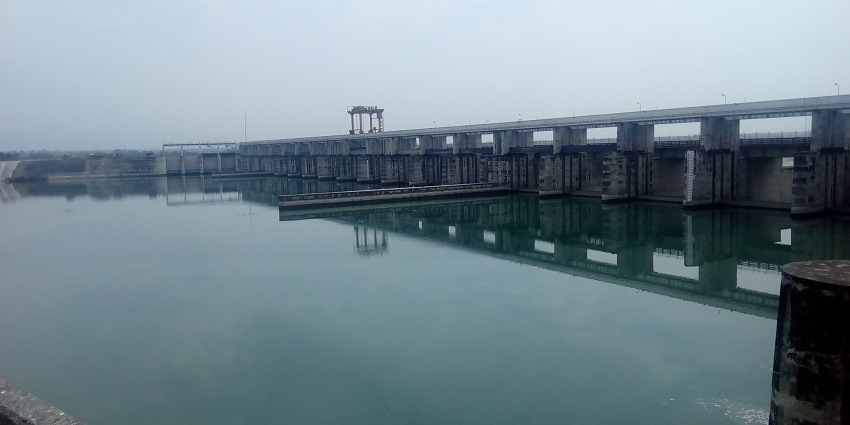
Hathni Kund Barrage
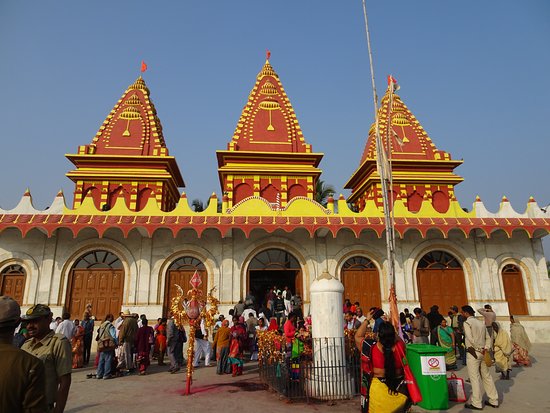
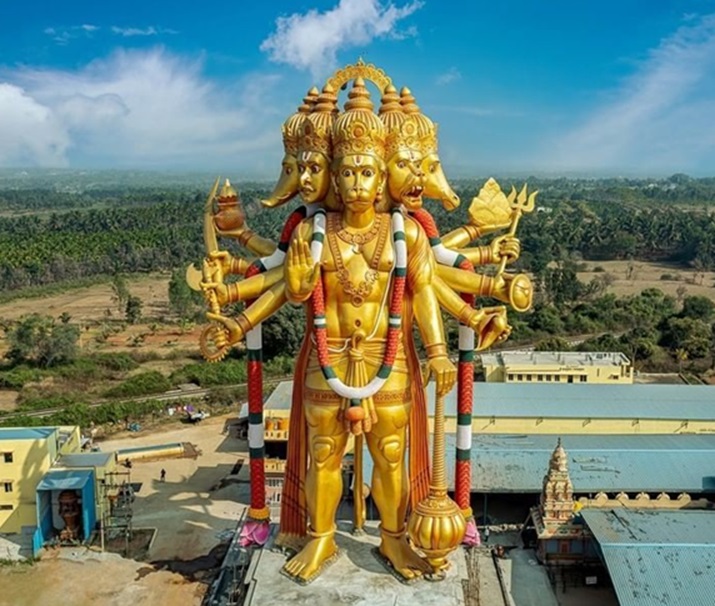
Panchmukhi Hanuman Mandir
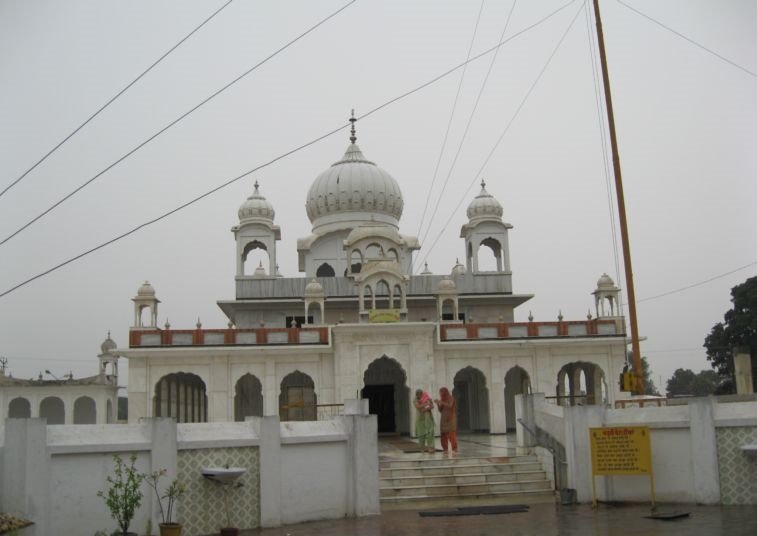
Kapal Mochan
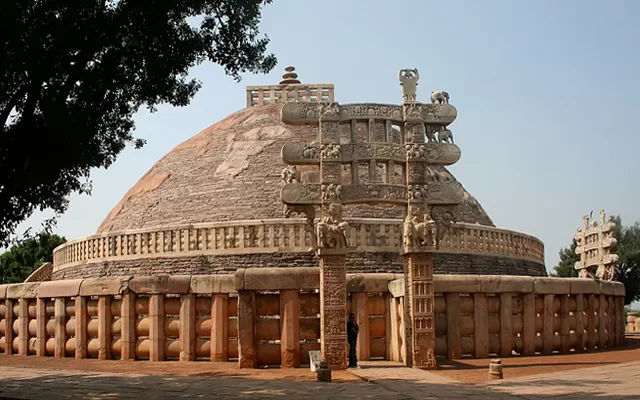
Chaneti Buddhist Stupa
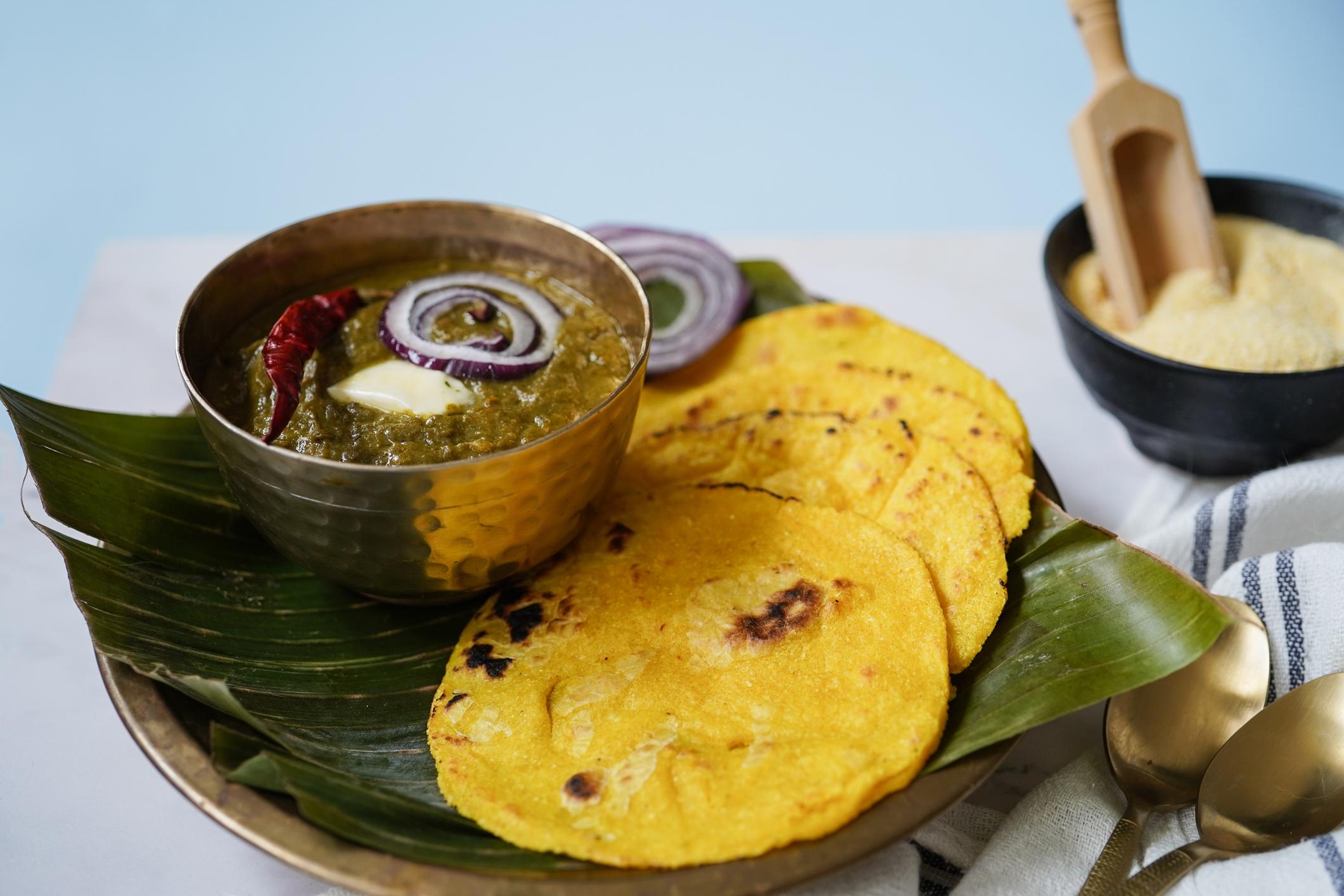
Bajre Ki Roti & Sarson Ka Saag
Haryanvi Kadhi Pakora
Lassi (Sweet & Salted)
Frequently Asked Questions
Where is Yamunanagar located?
Yamunanagar is located in the state of Haryana, in northern India, near the banks of the Yamuna River and close to the Himachal Pradesh border.
What is Yamunanagar famous for?
It is known for its plywood and paper industries, natural beauty, and proximity to Kalesar National Park.
What are the main attractions?
Kalesar National Park, Adi Badri, Hathnikund Barrage, and the Yamuna River.
Is Yamunanagar good for business?
Yes, it is a growing industrial hub with strong trade and manufacturing opportunities.
Is it a good place to live?
Yes, it offers affordable living, good education, and a peaceful environment.
How can I reach Yamunanagar?
It is accessible by train (Yamunanagar–Jagadhri Station) and well-connected highways. Nearest airports are Chandigarh and Dehradun.
What is the best time to visit?
October to March is ideal, with pleasant and cool weather.